
Ductless mini split installation and repair
Cooling and heating for a house without ducts, an addition, a garage conversion or the one room that is always too hot. We plan it, install it and keep it running.
A mini split cools and heats a room without ductwork, which is why it suits so many older Los Angeles houses.
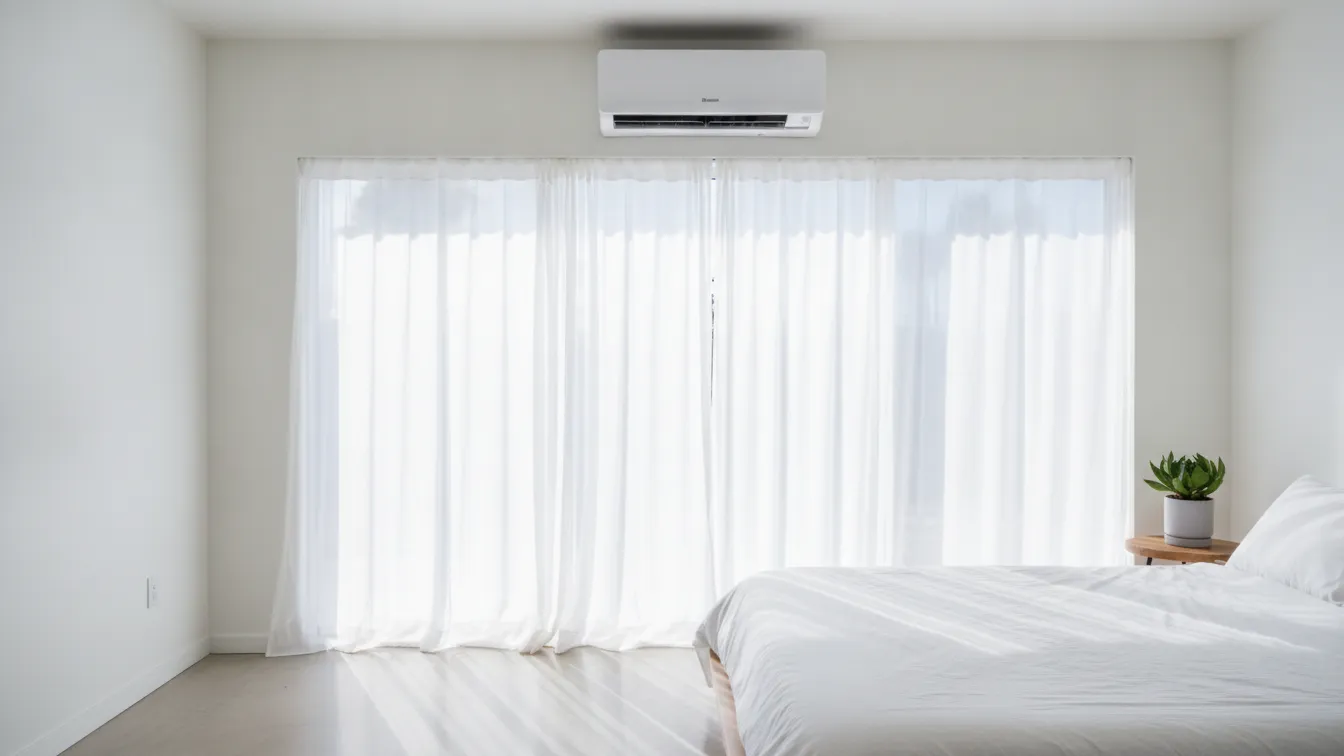
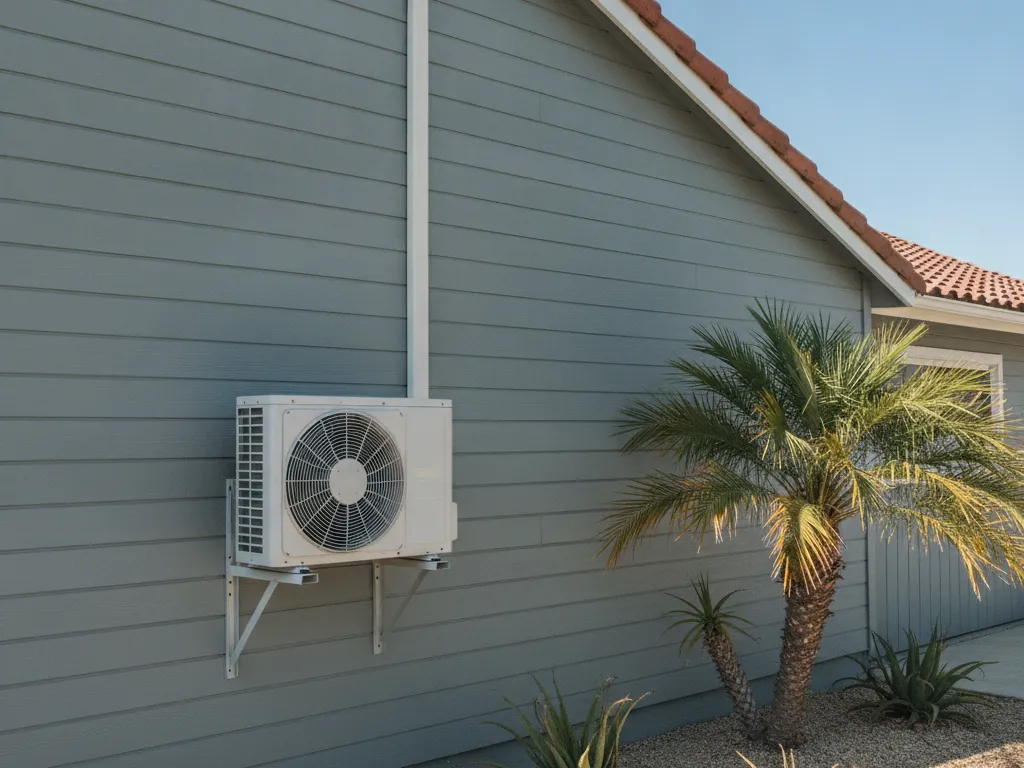
A ductless mini split has two parts. A small outdoor unit sits on a pad or a wall bracket. One or more indoor heads hang on the wall or sit in the ceiling. A thin bundle of copper lines, wiring and a drain runs between them through a small hole in the wall. Each head cools the room it is in, and because a mini split is a heat pump, it heats that room in winter too.
We install and repair mini splits in homes across Los Angeles, from Long Beach and Torrance to Hollywood, Culver City, Sherman Oaks, West Hills, Sylmar and Simi Valley. If you are still deciding what the house needs, see all our heating and cooling services.
The homes a mini split suits
If running ducts would mean tearing open walls and ceilings, a mini split is usually the better way in.
Houses with no ducts
Many older Los Angeles houses were built with a wall furnace and no ducts at all. A mini split adds cooling, and quieter heat, without opening the ceilings.
Additions
A new room that the existing system was never sized for. A mini split serves it without overloading the central system.
Garage conversions and ADUs
A converted garage or a backyard unit gets its own heating and cooling, with its own controls.
The one hot room
An upstairs bedroom, a sunny office or a room at the end of a long duct run. One head fixes the room the central system never reaches.
Single-zone or multi-zone
A single-zone system is one outdoor unit and one indoor head. It is the simple answer for one room, an addition or a converted garage.
A multi-zone system connects several indoor heads to one outdoor unit. Each head has its own remote and its own temperature, so a bedroom can be cool while the living room is off. It suits a whole house without ducts.
Where things go matters as much as how many:
- Indoor heads go high on an outside wall where the air can reach the whole room, clear of curtains and furniture. Ceiling cassettes are an option where a wall unit is not wanted.
- The line set runs from each head to the outdoor unit. We keep it short and neat, and where it shows outside we run it in a cover that can be painted to match the wall.
- The outdoor unit sits on a pad or a wall bracket, with room to breathe and away from bedroom windows.
- The drain carries the water the head pulls out of the air, outside or to a small pump.
If you are weighing a mini split against ducts and a central system, our guide to mini split vs central air compares the two. For a whole-house system through existing ducts, see heat pump installation and repair or AC installation and replacement.
The permit question
California homeowners often ask whether a mini split needs a permit. It usually does. A new mini split is a mechanical installation, and cities here usually require a mechanical permit for it. A new circuit for the outdoor unit can bring in electrical work as well. Your city's building department sets the details, and depending on the system and your climate zone, California's Title 24 energy code can add a verification test.
We pull the permit as part of the job. Handling the refrigerant also needs EPA certification, so a mini split is not a weekend project.
Mini split repair and cleaning
Mini splits need regular cleaning, and a few faults come up often.
Dirty filters and coils
The washable filter behind the front panel clogs, and the head loses power. Rinse it every month or two in heavy use. The coil and the blower wheel inside need a deeper clean from us.
Water dripping from the head
A blocked drain line, a failed condensate pump or a head that is not level. Left alone, it stains the wall below.
A musty smell
Dust and moisture build up on the blower wheel. A full cleaning of the wheel and coil clears it.
Weak cooling or heating
Low refrigerant from a leak at a line connection, a dirty outdoor coil, or a failing sensor. We find the cause before we add anything.
Error codes and no start
A blinking light or code on the head often points to a communication fault between the head and the outdoor unit, a sensor or a power problem.
What moves the price
We price your house after we have seen it. The things that move the number:
- How many heads, and single-zone or multi-zone.
- The type of head, from a wall unit to a ceiling cassette.
- How far the line set runs, and what the walls are made of.
- Where the outdoor unit goes, on a pad or on a wall bracket.
- The electrical circuit, and whether the panel has room.
- The permit.
Our guide to mini split installation cost walks through each one in more detail.
How an install goes
We plan the zones
We look at the rooms, measure what each one needs and agree with you where every head, line and outdoor unit will go.
We mount and connect
We mount the heads and the outdoor unit, drill the wall openings, and run the lines, wiring and drain.
We pull a vacuum and start it
We pressure-test the lines for leaks, pull a vacuum, release the refrigerant and start the system.
We show you how to use it
We test every head in cooling and heating, set up the remotes and show you how to clean the filters.
Why call Air Cove HVAC
We know how to plan zones, place heads where they work and run line sets that look tidy from the street. We are licensed and insured. We give you the plan and the price before any work starts.
To get started, call us or send us the details. It helps to know which rooms you want to cool, their rough size, whether the house has any ducts and where you would like the outdoor unit. We answer every day, 7 a.m. to 11 p.m.
Mini split questions
How many mini splits do I need for a 2000 square foot house?
It depends on the layout more than the floor area. Each head serves one room or one open area, so the count follows how many rooms you want to heat and cool. Open plans need fewer heads than a house of small closed rooms. We plan it room by room.
Do I need a permit to install a mini split in California?
Usually, yes. A mini split is a mechanical installation, and your city's building department usually requires a mechanical permit, sometimes with electrical work too. We pull the permit as part of the job.
How much does it cost to have a ductless mini split installed?
It depends on the number of heads, the type of head, the length of the line set, the electrical work and where the outdoor unit goes. We price it after we have seen the rooms.
How long does a mini split installation take?
A single head in one room is often finished in a day. A multi-zone system takes longer, depending on the number of heads and how far the lines run. We give you the schedule when we price the job.
Got a room that is always too hot, or a house without ducts? Tell us about it.

Comfort for every room
Call us, or send the form and we will call you back. We work across Los Angeles, seven days a week.